
Your Brain on Baby #2: What a New Study Says
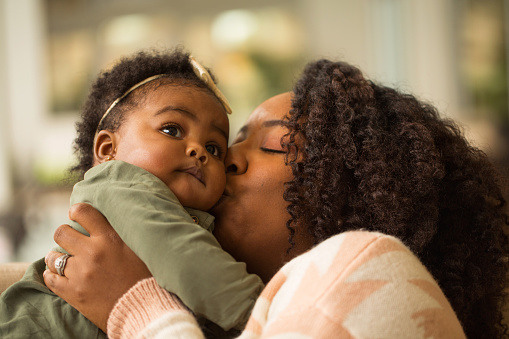
You’ve heard of “baby brain,” right? It’s the foggy and forgetful feeling that comes with pregnancy and being a new mom. It has you forgetting where you left your keys — and even your car. Well, a February 2026 study reveals that pregnancy reshapes your brain and a second pregnancy changes your brain in different ways than your first.
What the Study Found
Scientists scanned the brains of 110 women with a MRI before and after they delivered their baby. The group included women having their first child, women having their second child, and women who weren’t pregnant at all. Both first-time and second-time mothers showed a reduction in gray matter — the part of the brain involved in thinking and emotion. However, this was not brain damage. Instead, researchers believe moms’ brains were improving connections important for motherhood.
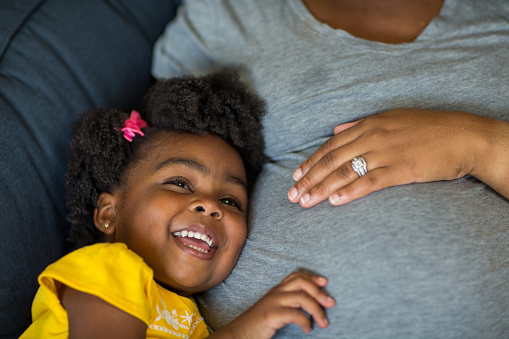
The first pregnancy most strongly affected areas linked to self-reflection and social awareness — likely helping a new mom tune into her baby’s needs; and
The second pregnancy repeats the first pregnancy’s changes and alters other brain areas too. In the second pregnancy, the additional brain changes were tied to attention and responding to the outside world, possibly helping mothers manage multiple children at once.

The study also linked smaller brain changes to higher rates of depression symptoms, which is a reminder that what happens in our minds after birth is real, based on biology, and deserves real medical attention.
Why This Matters for Black Women
The study was based in the Netherlands and didn’t examine race. However, Black women face higher rates of maternal mortality and postpartum depression yet are underdiagnosed and undertreated at alarming rates. This study is a reminder that access to mental health screening is crucial. It’s also a reminder that your struggles are not weakness, they are biology, and you deserve care that takes your needs seriously. Dont be afraid to seek help if you need it. Finally, remember if you do experience a mental health crisis you can text or call 988 or visit www.988lifeline.org, the National 988 Suicide & Crisis Lifeline, to speak with a caring and skilled counselor.
References for this article can be found here.