
We are in the home stretch before Christmas. As you finish shopping for any children in your life keep safety first by following these tips.

1. Follow Age Recommendations
When you buy a children’s product pay attention to the age recommendation. The advice is based on safety testing and child development—not on how “smart” or “advanced” a child seems. Below are safety risks for kids under 3 years old, ages 3-5, and over six years old:
Under Age 3


Protect children under 3 years old from choking and strangulation hazards by avoiding:

- Small balls, beads, marbles, and mini figurines
- Toys with loose stuffing or small removable parts
- Anything smaller than 1.75 inches across — which is about the size of a toilet paper roll
Ages 3-5

Children 3 to 5 years old may still put things in their mouths and break toys, so avoid toys with:
- Small batteries
- Tiny accessories, or
- Sharp edges.
Ages 6+

Don’t forget safety gear like helmets for riding toys like bikes and scooters and goggles for certain craft or science kits.
Also, if you have younger children, remember that toys meant for older kids can be dangerous for younger siblings — so keep them out of reach.
2. Watch for These Other Hazards


- High-powered magnets can cause life-threatening damage if two or more are swallowed together
- Choose toys with screw-secured battery compartments and no loose magnets
- Button batteries—if swallowed—can get stuck in the throat or stomach and cause severe internal injury or death.
3. Avoid Strangulation Risks
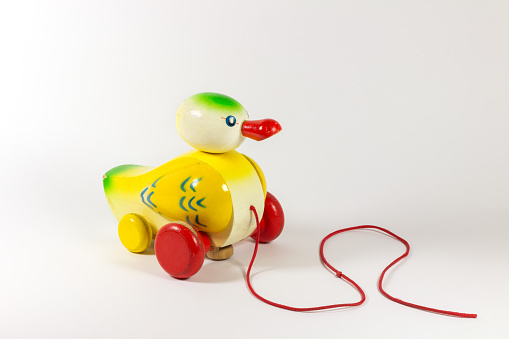
Avoid strangulation hazards from strings or cords longer than 7 inches like with:
- Pull toys with long cords for toddlers
- Headphones or wearable electronics for very young children
- Ribbons or elastic straps that could wrap around the neck
- Crib mobiles once infants can push up on hands and knees
4. Choose Well-Made, Quality Toys
Look for sturdy construction and non-toxic materials—especially for babies and toddlers who put toys in their mouths. Be cautious with unfamiliar online sellers or very inexpensive toys that may not meet safety guidelines. Check that:

- Seams are tight and parts are firmly attached
- Paint isn’t chipped or flaking
- Hard plastic doesn’t crack when pressed and
- Toys meet U.S. safety standards (ASTM or CPSC-compliant)
5. Use Electronic Toys Safely
Electronic toys can be great if you safety in mind. Make sure:
- Battery doors close with screws
- Toy doesn’t have loose button batteries
- Toy isn’t excessively loud—it could harm a child’s hearing
- Children wear appropriate safety gear for bikes, scooters, and ride-on toys
6. Check for Recalls
Before buying or gifting a toy, check the latest recalls at cpsc.gov/recalls and avoid used toys that may not meet current safety standards.
The Bottom Line
Holiday toys should bring joy—not trips to the ER. By following age recommendations, checking for small parts, avoiding cords and sharp edges, and choosing well-made toys from trusted sources, you can ensure your holiday gift is safe and fun.